

Class 4 or Class 5? The License Difference Every Rideshare and Taxi Driver Should Know

If you're thinking about driving for Uber, Lyft, or a local taxi company in British Columbia, you've probably run into some confusing advice. Some people say your regular licence is enough. Others insist you need something called a Class 4. The truth is straightforward once you understand what each licence actually permits — and why the province draws such a firm line between "driving your own car" and "driving strangers for money."
What a Class 5 Licence Actually Covers
A Class 5 is the full, unrestricted licence that most adult drivers in BC hold. It's what you get after completing the Graduated Licensing Program, moving through your Learner (L) and Novice (N) stages, and passing your final road test. With a Class 5, you can legally drive cars, vans, SUVs, and light trucks for personal use, and there's no cap on how many passengers you carry — as long as none of them are paying you for the ride.
That last part is the key. A Class 5 licence assumes you're driving for yourself, your family, or your friends. It was never designed to certify someone to transport paying members of the public, which is exactly why it stops short of qualifying you for rideshare or taxi work.
Why Rideshare and Taxi Driving Require Class 4
The moment money changes hands for a ride, BC's Motor Vehicle Act treats the situation differently. Anyone driving a taxi, an Uber or Lyft vehicle, a limousine, an airport shuttle, or a small passenger bus needs a Class 4 licence. The reasoning is passenger safety: someone getting into a stranger's car is trusting that driver with their physical safety in a way a friend riding along with you isn't.
This isn't just a BC quirk — it reflects a broader principle in commercial licensing across Canada, where carrying paying passengers triggers stricter standards than personal driving does. That said, the requirement hasn't been without controversy. When BC first mandated Class 4 licences for ride-hailing drivers, ICBC's own collision data suggested the safety gap between Class 4 and Class 5 drivers was smaller than expected. As Global News reported, the corporation's figures showed Class 4 drivers caused about one fewer collision per hundred drivers than Class 5 drivers over a five-year period — a modest difference given how much more demanding the Class 4 process is. You can read more about that debate on Global News.
Even with that debate in the background, the rule hasn't changed: if you plan to earn money driving passengers in BC, Class 4 is not optional.
Restricted vs. Unrestricted Class 4
Here's where a lot of new applicants get tripped up — Class 4 isn't a single, one-size-fits-all category. It splits into two tiers.
A Restricted Class 4 covers smaller passenger vehicles and is the licence most rideshare drivers, taxi drivers, and limousine chauffeurs need. An Unrestricted Class 4 goes further, allowing you to drive larger vehicles like small buses carrying up to 25 passengers, including school buses and community shuttles. If your goal is simply to drive for Uber, Lyft, or a taxi company, the restricted version is almost always the one you're after — the unrestricted licence is for people planning to drive buses or similarly larger vehicles.
What It Takes to Get a Class 4
Upgrading from Class 5 to Class 4 involves a few extra steps compared to a standard licence renewal, and it's worth knowing them upfront so nothing catches you off guard:
You'll need to be at least 19 years old, hold a valid Class 5 licence (or an accepted out-of-province equivalent), and have a clean enough driving record to pass ICBC's review. From there, the process includes a medical exam to confirm you're fit to drive professionally, a criminal record check, a knowledge test that's more demanding than the standard one, and a road test that includes a pre-trip vehicle inspection — something a regular Class 5 road test never covers.
None of these steps are designed to be a barrier for the sake of it. They exist because a Class 4 holder is being certified to carry the public, and ICBC wants confidence that the person behind the wheel can handle both the vehicle and the responsibility.
How Long the Process Realistically Takes
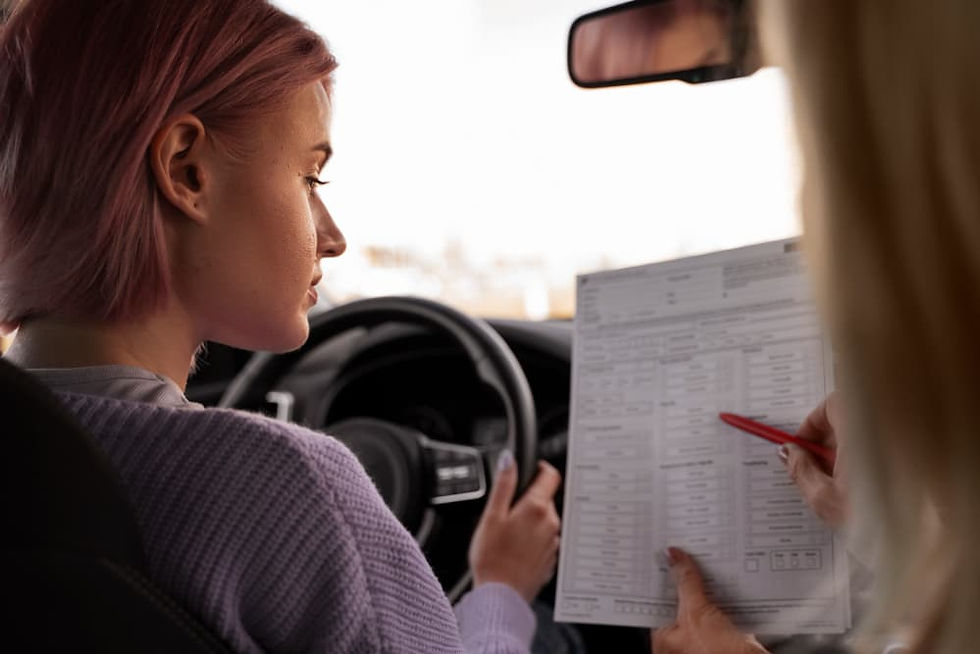
Because a Class 4 application involves a medical exam and a criminal record check on top of the usual testing, it typically takes longer than renewing a standard licence — often several weeks once you account for booking a doctor's appointment and waiting for the background check to clear. The road test itself, including the pre-trip inspection component, tends to be the part applicants underestimate. It's a different skill set from a standard road test, and it's usually where unprepared drivers lose points.
This is really where working with a driving school pays off. Instead of guessing what ICBC examiners are looking for during a pre-trip inspection, or trying to piece together study materials on your own, a few sessions with an instructor who specializes in Class 4 training can shorten the learning curve significantly and catch mistakes before they show up on test day.
Is Class 5 Ever Enough?
If your plan is strictly personal driving — commuting, road trips, driving your kids around — Class 5 is all you'll ever need. It's only when driving becomes a paid service to the public that Class 4 enters the picture. So the real question isn't "which licence is better," it's "what am I actually going to use it for." Personal use stays with Class 5. Any form of paid passenger transport in BC means Class 4.
Getting Ready for Your Class 4 Road Test
If you've decided rideshare or taxi driving is the direction you want to go, the smartest next step is getting comfortable with the specific demands of the Class 4 test before you book it with ICBC. Actron Driving Academy offers Class 4 training built around exactly this — covering the pre-trip inspection, the passenger-focused road test criteria, and the knowledge test content, with instructors who know what BC examiners are actually checking for. Whether you're starting from a fresh Class 5 or brushing up before test day, a structured lesson plan makes the difference between guessing your way through and walking in prepared.
Driving for a living comes with real earning potential, but it starts with getting licensed the right way. Booking a few sessions with an experienced instructor is a small investment against the cost of a failed test — and it's the fastest way to go from "I think I need a Class 4" to actually holding one.


Comments